


Many theme‑park visitors and venue buyers keep asking how fast a standard electric bumper car can travel. Most people guess high speeds, yet real‑world amusement‑park designs put safety far above raw velocity. This article breaks down real‑world speed numbers, key influencing factors and common user questions for park operators and casual riders alike.
Real‑World Top Speed for Standard Models
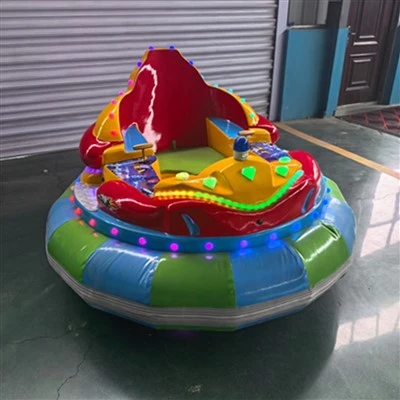
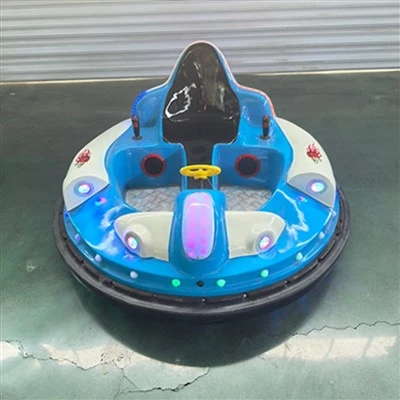
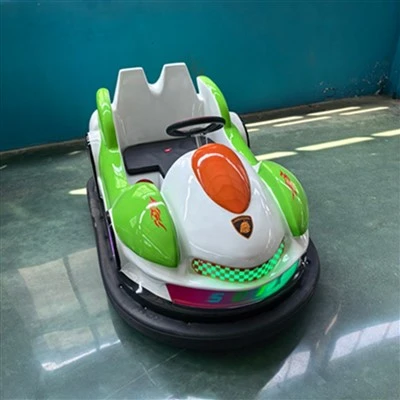
A standard electric bumper car found in public amusement parks usually hits 5‑7 miles per hour (8‑11 km/h) as its maximum working speed. Riders rarely feel that full top speed continuously. When cars bump, turn or carry heavier passengers, actual moving speed drops down to 3‑5 mph.
Manufacturers fit built‑in speed limiters on every unit. Even if you press the gas pedal fully, the hardware will not push past the preset safe threshold. This setup gives riders that fun jolt during collisions without putting kids or adults at risk of hard injuries.
What Shapes the Actual Driving Speed
Multiple small details change how quick each unit moves on the rink. Vehicle weight sits near the top of this list. A loaded car with two adult passengers runs slower than one carrying only a child. Arena floor surface also makes a difference: smooth flat floors allow closer to full speed, while worn or sticky flooring creates extra friction and slows movement down.
Power source type also plays a role. Older grid‑powered units and newer battery‑driven electric bumper car models share similar capped top speeds. Battery health matters too. As batteries drain through hours of continuous use, motor output gently decreases, so cars feel slightly slower late in the operating day.
Why Speed Stays Capped for Family‑Friendly Use
You might wonder why parks never crank these cars up to higher speeds. Amusement safety codes set strict limits for rides open to mixed‑age guests. The padded rubber bumpers work best within this narrow speed window; harder crashes at much higher velocity could cause whiplash or minor bruises.
For venue owners picking new equipment, do not chase overly fast specs. A well‑tuned electric bumper car delivers satisfying bump‑and‑go fun right within the factory‑set speed range. Riders want playful collisions, not high‑speed thrills. Most guest feedback highlights laughing and playful chasing, not wishing for faster movement.

Common Reader Questions
1. Can operators manually raise the speed? Most commercial units lock speed settings. Tampering with governors breaks safety certifications and creates liability risks for parks.
2. Are kid‑sized home bumper cars different? Small home‑use toy versions run far slower, often below 2 mph, built strictly for backyard play, not commercial arenas.
3. Does collision slow the car down? Yes. Every solid bump absorbs kinetic energy, and motors need a short moment to build speed back up again.
If you visit a fair or local arcade, expect the standard ride to hover around 5‑7 mph. This moderate pace balances excitement and safety perfectly for all‑ages crowds. Whether you are a rider curious about your favorite fair ride or a buyer comparing amusement gear, keep this baseline speed figure in mind when evaluating performance.
