


Amusement venue owners often ask how well electric bumper cars units hold up under busy, real‑world commercial conditions. Operators want rides that handle repeated crashes, daily heavy‑use cycles, and keep repair costs low over multiple seasons. Actual service life varies widely, shaped by build quality, operating intensity, and routine care.
Expected Real‑World Lifespan for Commercial Units
A well‑built commercial electric bumper car can deliver 5‑12 years of active service for parks, family entertainment centers, and rental businesses. Heavily used locations with back‑to‑back rides every day sit toward the lower end of that range, while venues with lighter scheduling and consistent maintenance hit the higher end.
It is important to separate core frame life from replaceable wearable parts. Steel chassis and fiberglass shells often stay functional for more than a decade. Batteries, rubber bumpers, and drive wheels wear out much faster and need periodic swapping, even when the main vehicle structure remains solid. Many first‑time buyers make the mistake of judging total durability only by these quick‑wear components.

Key Factors That Shape Long‑Term Durability
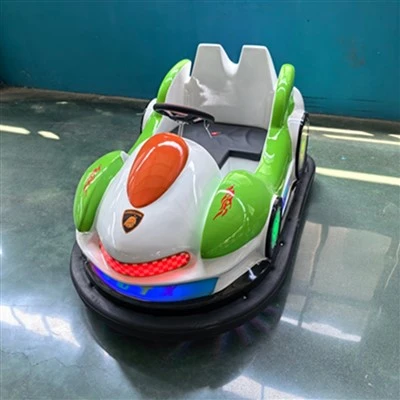
Material choices make the biggest difference for an electric bumper car's real‑world toughness. Thick powder‑coated steel frames resist bending from constant collisions. Reinforced fiberglass or high‑density polyethylene bodies resist cracking and scuffs that come with thousands of bumps each year. Cheap thin plastic shells will chip or split after months of heavy commercial play.
Operational environment also plays a major role. Indoor setups avoid sun damage and moisture, slowing material aging. Outdoor locations expose hardware to UV rays, rain, and temperature swings; without weather‑sealed wiring and anti‑rust treatments, parts degrade noticeably faster.
Maintenance Practices That Prevent Early Breakdown
Even the toughest hardware fails without simple regular checks. Venue teams should run quick visual inspections every opening day: look for loose bolts, torn bumper rubber, and frayed wiring caused by vibration and impact.
For battery‑powered models, follow correct charging rules. Never fully drain batteries repeatedly, as this cuts battery life dramatically. Schedule weekly lubrication on steering and moving joints to stop excess wear from constant collisions. Replacing worn bumpers and wheels early protects the main chassis from unnecessary impact stress.
What Buyers Should Watch Out For
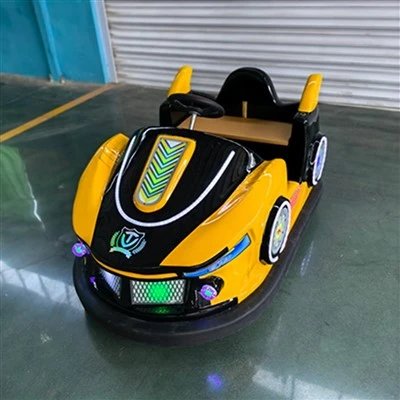
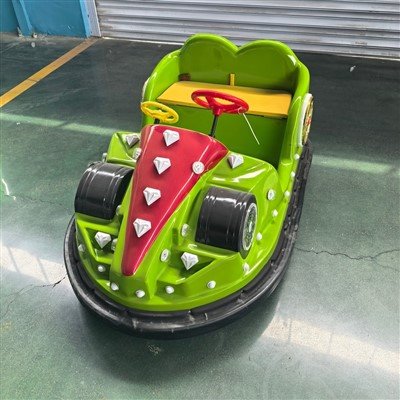
Many low‑cost units marketed for commercial use are actually modified consumer‑grade toys. These cannot survive non‑stop public operation. When shopping, confirm spare‑part availability, because you will need replacement batteries, bumpers and wheels over time.
In short, the electric bumper cars can deliver solid long‑term returns for amusement businesses. Durability is not just about initial build quality; consistent light maintenance keeps downtime low and extends your equipment's usable years.
