


Many amusement park operators weigh new ride purchases carefully, chasing attractions that draw repeat guests and deliver solid returns. For parks considering family‑focused additions, indoor bumper cars frequently land on the shortlist, yet owners still ask whether the spend truly pays off year‑round.
Year‑Round Guest Appeal Without Weather Risks
Outdoor rides often face slow seasons when rain, extreme heat or cold shut operations down. One major draw for indoor bumper cars lies in its weather‑proof setup. Families, teen friend groups and even adult visitors can join rides no matter what conditions sit outside your park walls. Park operators I've spoken with note this steady flow helps fill slow weekdays and off‑peak calendar slots that would otherwise see thin crowds.
Birthday party packages and group bookings pair really well with this ride. Many venues bundle ride tokens with food deals to lift per‑guest spending, turning casual visitors into higher‑value customers.


Break Down Real‑World Costs and Expected Returns
Before signing any purchase contract, you need to map every expense, not just the car units themselves. Full setups include arena barriers, power systems, safety upgrades and regular maintenance work. Smaller park builds can start around $30,000, while larger themed spaces push higher, based on local building rules and floor requirements.
Most well‑located parks hit payback between 8‑14 months, though poor foot traffic or missed maintenance timelines stretch that timeline out significantly. Keep in mind ongoing costs: on‑site staff for ride supervision, part replacements and mandatory amusement‑ride insurance will chip away at monthly profits.
If your park already draws consistent family foot traffic, this ride can turn empty floor space into active revenue. Sites with low weekend attendance or limited family audiences may struggle to hit target numbers.
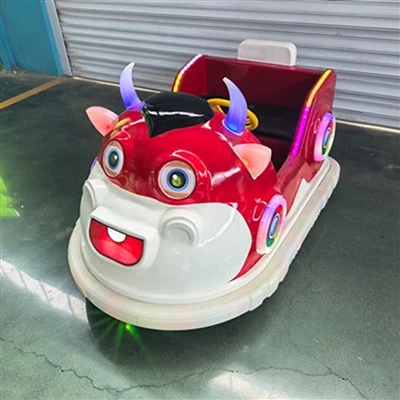
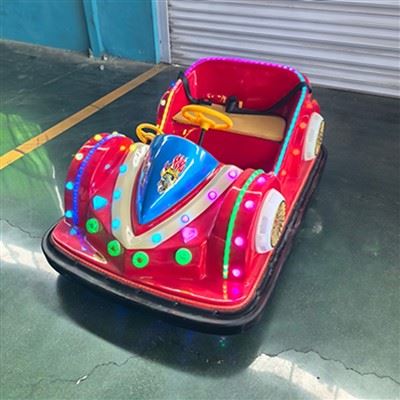
Key Operational Tips to Boost Your Success
Getting strong performance from indoor bumper cars does not happen from equipment alone. Simple tweaks change how much money the attraction brings in. Set short ride sessions to move more guests through each hour, and create discounted multi‑ride passes for day guests.
Schedule routine part checks to avoid unexpected mid‑day breakdowns, which frustrate visitors and burn through your profit margins. You can also lean into lighting and basic theming to make the arena feel lively, without blowing your whole budget on fancy renovations.
This attraction is not a guaranteed money‑maker for every location. Parks with steady family foot traffic, available indoor square footage and realistic budget planning will likely see good value. Operators working with tight space or low off‑season visitor counts should crunch their local attendance numbers before committing.
When matched to your audience, this classic ride keeps customers laughing, encourages repeat trips and adds a recognizable highlight to your park's lineup.
